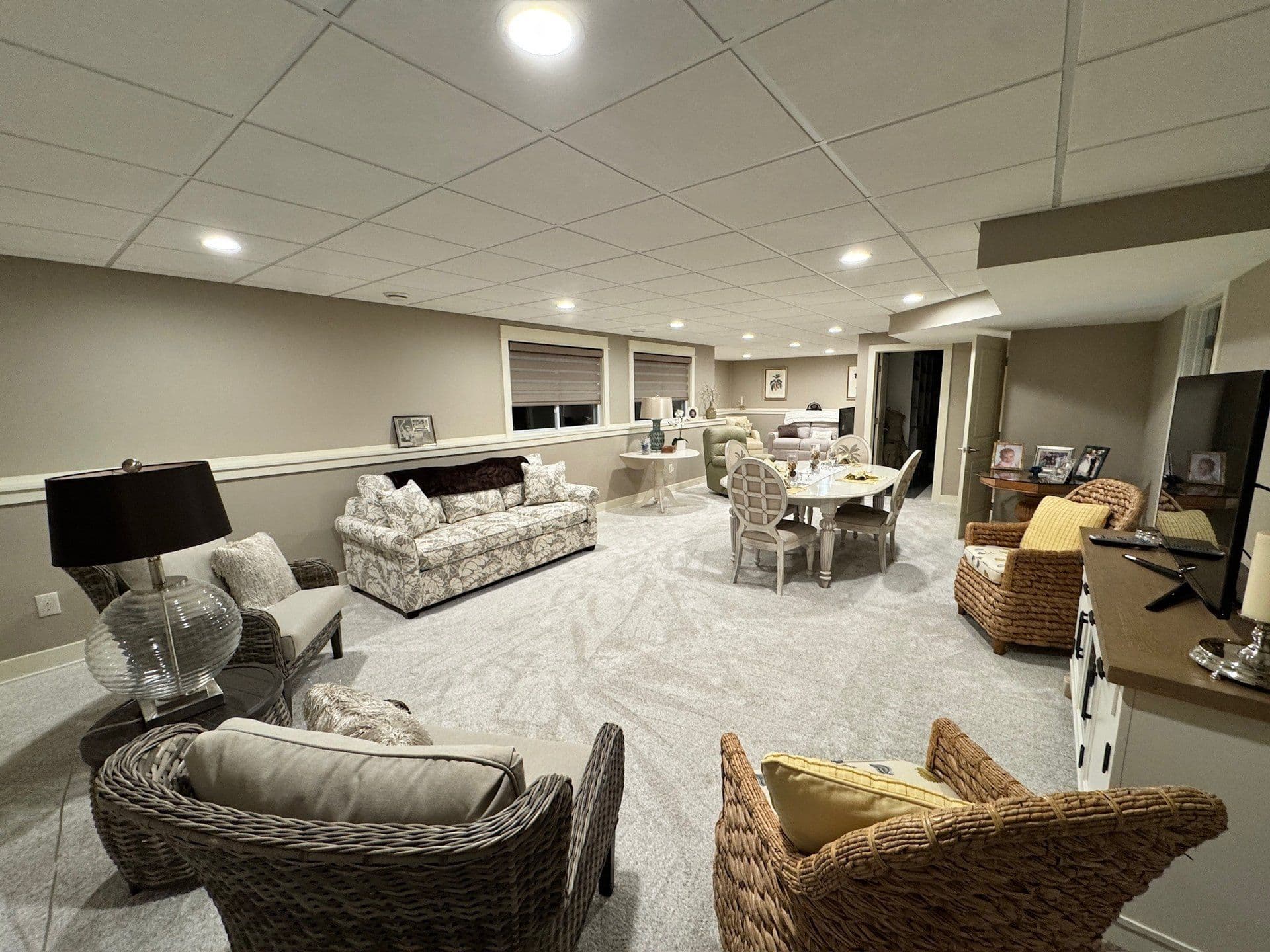
Toys spread across the living room, art supplies cover the dining table, and the kids need somewhere to burn off energy. For many families, everyday activities compete for space throughout the house. A finished basement can give children room to play while keeping the main living areas organized.
By WMI Home Solutions
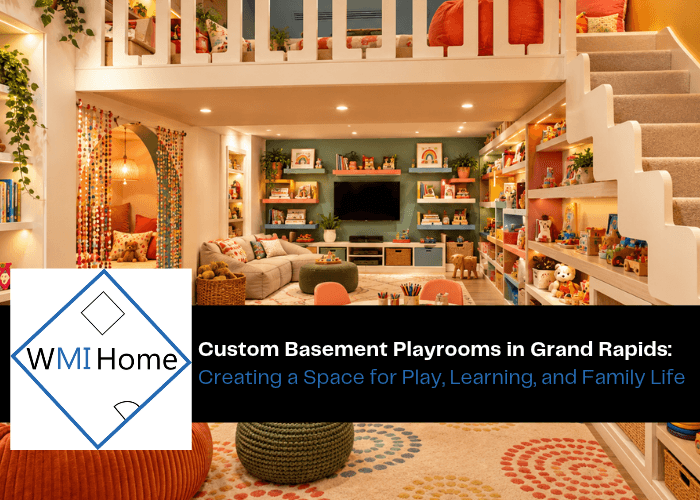
Toys spread across the living room, art supplies cover the dining table, and the kids need somewhere to burn off energy. For many families, everyday activities compete for space throughout the house.
A finished basement can give children room to play while keeping the main living areas organized.
A custom basement playroom can accommodate a toddler building blocks, school-aged children working on crafts, and older siblings playing video games.
The layout should reflect your children's ages, interests, and daily routines while allowing the room to change as they grow.
At WMI Home Solutions, we approach basement finishing in Grand Rapids with your family's lifestyle in mind. We consider how you use your home, what your children need, and how your basement can become a comfortable, functional part of everyday family life.
Contact us to discuss a custom basement playroom in Grand Rapids or West Michigan, designed around how your children play, how your family lives, and how your needs may change over time.
Can You Turn an Unfinished Basement Into a Playroom in Grand Rapids?
Yes, many unfinished basements can become comfortable playrooms with proper planning and construction. The first step is determining whether the existing space can accommodate children's activities safely and comfortably.
Start With Your Basement's Existing Conditions
Before planning the play area, consider:
- Ceiling height: Allow room for movement, play equipment, and finished ceilings.
- Moisture: Address leaks or dampness before installing flooring and finished walls.
- Utilities: Maintain access to mechanical equipment and electrical panels.
- Layout: Keep circulation paths clear between stairs, play areas, and other rooms.
For example, a family with younger children may prefer an open basement where parents can see the playroom from a nearby sitting area.
Our basement finishing approach considers these practical details during project planning.
How Should You Design a Basement Playroom Around Your Children's Activities?
Start with how your children spend their time at home. Their favorite activities, ages, and need for supervision help determine how much open space, furniture, and storage the playroom requires.
Create Areas for Different Activities
1. Active Play
Leave open floor space for building large block structures, playing with toy cars, or moving around.
2. Creative Activities
Include a table where children can draw, assemble puzzles, or work on school projects.
3. Quiet Time
Add a comfortable reading corner with bookshelves and soft seating.
4. Shared Activities
Allow room for siblings to play together without crowding each other's activities.
A younger child might spend mornings playing with building blocks while an older sibling uses the same room for homework after school.
Planning these routines helps establish useful zones without overcrowding the basement.
How Can You Make a Basement Playroom Comfortable Throughout the Year?
A comfortable basement playroom needs proper moisture protection, insulation, ventilation, and temperature control. These construction details affect whether children can use the room comfortably during different seasons.
Plan for Everyday Comfort
West Michigan basements can experience temperature differences and moisture concerns.
- Address water intrusion before finishing walls and floors.
- Evaluate insulation and heating or cooling needs.
- Plan ventilation to support indoor air quality.
- Position activities where lighting and temperatures are comfortable.
Picture children playing on the floor during a cold winter afternoon or spending several hours downstairs during summer vacation. Comfortable surfaces and consistent temperatures make those routines easier.
What Flooring, Lighting, and Storage Features Work Best for Basement Playrooms?
Durable flooring, balanced lighting, and accessible storage make a basement playroom easier to maintain. The materials and layout should accommodate spills, active play, and changing storage needs.
Choose Finishes That Support Family Routines
Flooring: Moisture-appropriate, easy-to-clean flooring helps manage everyday messes. Removable play mats provide additional cushioning for toddlers.
Lighting: Combine overhead fixtures with focused lighting near reading corners, craft tables, and homework stations.
Storage: Built-in cabinets, low shelving, and labeled bins can give toys, books, and art supplies dedicated places.
Imagine the end of a busy afternoon when children need to put everything away before dinner. Accessible storage makes cleanup part of their routine and helps parents maintain an organized space.
How Can You Make a Basement Playroom Safer and Quieter?
A family-friendly playroom requires attention to stair access, furniture placement, electrical safety, and sound transfer. These details should be considered while planning the basement's construction and layout.
Account for Supervision and Household Noise
- Stairways: Maintain safe access, appropriate handrails, and unobstructed escape routes.
- Furniture: Secure tall shelving and avoid placing heavy objects where children can pull them down.
- Electrical: Include properly installed outlets with required safety protection.
- Sound control: Evaluate insulation and ceiling assemblies to reduce noise traveling upstairs.
If one parent works upstairs while children play downstairs, sound control can make daily activities more manageable.
Families with toddlers may also prefer open sightlines between the playroom and a nearby basement family room.
How Much Does a Custom Basement Playroom Cost in West Michigan?
Custom basement playroom costs depend on the basement's existing condition, size, construction requirements, and selected finishes. A simple remodeling project has different requirements than finishing an entirely unfinished basement.
Consider the Features Included in Your Project
Your estimate may include framing, insulation, drywall, flooring, lighting, electrical work, and built-in storage.
A family planning a small playroom with open floor space will have different requirements from one requesting a larger basement with a playroom, family lounge, and bathroom.
When comparing basement finishing companies in Michigan, request a clearly defined project scope. Understanding the necessary construction work helps you evaluate pricing and plan your budget.
How Can a Basement Playroom Grow With Your Family?
A flexible basement playroom can support children's changing interests without requiring the entire space to be remodeled. Thoughtful room dimensions, electrical placement, and adaptable storage can make future changes easier.
Plan for Different Stages of Family Life
A preschool play area might eventually become a homework station with desks and bookshelves. Later, the same area could accommodate gaming equipment, a television, and seating for teenagers.
If your basement includes other rooms, consider how children and adults will share them.
Read our blog: Basement Home Theaters in Grand Rapids: Designed Around How Your Family Watches, Plays, and Entertains for family entertainment possibilities.
You can also discover more in our other blog, Basement Guest Suites & Bedrooms in Grand Rapids: Designed Around How Your Family Lives, when planning accommodations for visiting relatives.
For older children who need a dedicated study area, our blog, Turning Your Basement Into a Home Office: What Grand Rapids Homeowners Should Know explores workspace planning considerations.
Why Choose WMI Home Solutions for a Custom Basement Playroom?
We approach each basement project by considering your existing space and household routines. Our planning emphasizes practical layouts, appropriate materials, and comfortable spaces that accommodate everyday family activities.
Build a Space Around Your Family's Needs
Our services support basement remodeling projects involving framing, drywall, flooring, lighting, insulation, and custom room configurations.
Whether you need an open playroom for young children or a shared activity area connected to a family lounge, we consider how the spaces will function together.
Learn about us and see our projects to explore our remodeling approach.
Call us: (616) 430-7228
Final Thoughts
A basement playroom becomes part of family life through the activities that happen there.
Saturday morning crafts, after-school building projects, siblings playing together, and quiet reading time all place different demands on the room. Consider those everyday moments when planning your basement.
A layout that accommodates your family's routines today can continue serving the household as children grow and their interests change.
FAQs: Custom Basement Playrooms in Grand Rapids
1. Can I Turn My Unfinished Basement Into a Kids' Playroom?
Yes, provided the basement can be finished safely and meets applicable construction requirements. Moisture, ceiling height, ventilation, and utilities should be evaluated first.
2. What Is the Best Flooring for a Basement Playroom?
Durable, easy-to-clean flooring suitable for below-grade conditions is a practical choice. Removable play mats can provide cushioning for younger children.
3. How Do You Make a Basement Playroom Safe for Toddlers?
Prioritize safe stair access, anchored furniture, protected electrical outlets, clear pathways, and layouts that support parental supervision.
4. How Much Does It Cost to Build a Basement Playroom in Grand Rapids?
Costs depend on basement size, existing conditions, construction requirements, and finishes. An on-site assessment helps establish a project-specific estimate.
5. Can a Basement Playroom Be Converted Into a Teen Room or Home Office Later?
Yes. Flexible layouts, adaptable storage, and appropriately planned lighting and electrical access can support future changes as your family's needs evolve.